Special Needs Dentistry Resources
Taking your child to the dentist can be stressful enough. But if your child is neurodivergent—with autism, ADHD, or sensory processing challenges—even a routine
Essential Information for Parents
Taking your child to the dentist can be stressful enough. But if your child is neurodivergent—with autism, ADHD, or sensory processing challenges —even a routine children’s dental checkup can feel overwhelming. For these children, the lights, sounds, textures, and unpredictability of a dental visit can trigger anxiety or shutdowns.
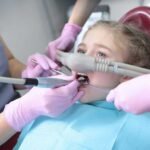
Fortunately, pediatric dental sedation , particularly oral sedation for children , provides a safe and effective option to make dental care more accessible.
This guide breaks down what parents need to know about sedation dentistry for children with special needs and how it can support your child’s experience at a children’s dentist .

Why Dental Visits Are Challenging for Neurodivergent Kids
Neurodivergent children often process sensory information differently. A buzzing toothbrush or bright overhead light might feel unbearable. They may also struggle with transitions, changes in routine, or communicating discomfort .
For kids with ADHD , sitting still for long periods can be nearly impossible. And for those with autism or sensory sensitivities , unexpected touch or sounds can lead to distress.
Routine dental visits are essential for long-term health, but if those visits become traumatic, a child may develop dental anxiety that lasts well into adulthood. That’s where pediatric dental sedation comes in.

Why General Anesthesia?
General anesthesia is often recommended for individuals with special needs when they cannot cooperate with dental or medical procedures due to behavioral challenges, sensory sensitivities , physical disabilities like motor dysfunctions , or underlying medical conditions.
The anesthetic medications induce a deep sleep, ensuring comfort and safety , while allowing dentists to perform complex treatments in a controlled environment where a trained anesthesiologist closely monitors vital signs.
This approach helps prevent harm, reduces discomfort, and eliminates the need for multiple stressful procedures — making it possible for your child to receive the care they need in a safe, efficient, and compassionate manner .
Why Sedation Works for Sensitive Kids
- Have high anxiety about dental visits
- Are nonverbal or have difficulty communicating discomfort
- Have a strong gag reflex
- Cannot sit still for long periods
- Have had traumatic past dental experiences

Choosing a Children’s Dentist
Not all dental offices are equipped to work with neurodivergent kids. When looking for a provider, ask these questions:

What Parents Can Do to Prepare
- Talk to the dentist ahead of time about your child’s needs, triggers, and communication style.
- Practice at home: Use role-play to show what a dental checkup looks like. Watch videos or read books about visiting the dentist.
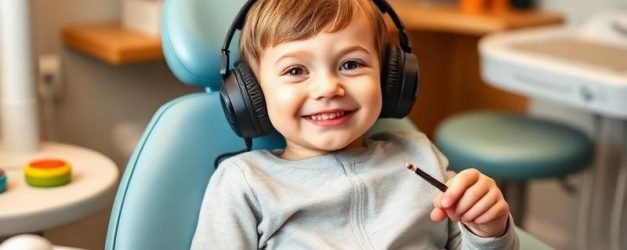
- Bring comfort items: Headphones, weighted blankets, or favorite toys can help your child self-regulate.
- Stick to the routine: Keeping appointment times consistent with your child’s best time of day (like mornings) can reduce stress.
Safety First
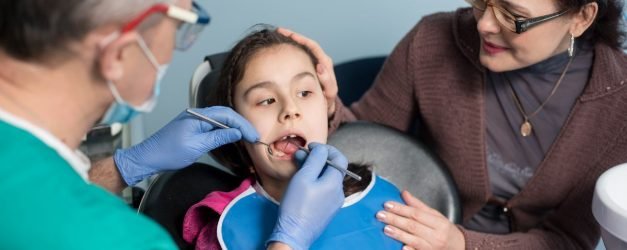
One of the biggest concerns parents have is safety . Children’s oral sedation is safe when administered by trained professionals following guidelines. Your child will be closely monitored both during and after the procedure. Make sure to follow pre- and post-sedation instructions exactly as given.
Side effects are usually mild and may include feelings of grogginess, nausea, or irritability . These usually fade within a few hours. If anything feels off, always contact your dentist .
A Support Tool, Not a Last Resort
Pediatric dental sedation isn’t about “knocking a child out.” It’s about removing barriers . For many neurodivergent kids , it opens the door to positive dental experiences they might not otherwise have. It can transform dread into confidence and help establish healthy habits early on.
By understanding your options and working with the right children’s dentist , you can make dental care a manageable, even empowering, part of your child’s life.
First visit – what to expect at a pediatric dentist
A comprehensive guide for parents preparing for their child’s first dental visit. From arrival to examination, learn how we make the experience positive and educational.
Your child’s first dental visit is an important milestone that sets the foundation for a lifetime of positive oral health experiences. We recommend scheduling this visit by age one or within six months of the first tooth appearing.
During check-in, our friendly staff will welcome you and your child, provide a brief tour of our child-friendly office, and answer any questions you may have about the visit or our procedures.
The examination begins with our pediatric dentist meeting your child at their comfort level. We may start by simply counting teeth, showing dental instruments, or letting your child sit in the special dental chair.
We’ll discuss your child’s oral development, demonstrate proper brushing and flossing techniques, and provide guidance on diet, fluoride use, and injury prevention tailored to your child’s age and development stage.
Every first visit concludes with a positive reinforcement experience – whether it’s choosing a prize from our treasure box, receiving a new toothbrush, or earning a certificate of bravery for their excellent cooperation.
Need Personalized Guidance?
Every child is unique, and we’re here to provide individualized care and support. Contact our experienced pediatric dental team for personalized advice.